
Field notes ·
After a DFW Hailstorm: What to Check on Your RV Roof and Seals
North Texas hail can crack vents, skylights and roof membranes in minutes, and the damage often isn't visible from the ground. Here's a post-storm checklist.
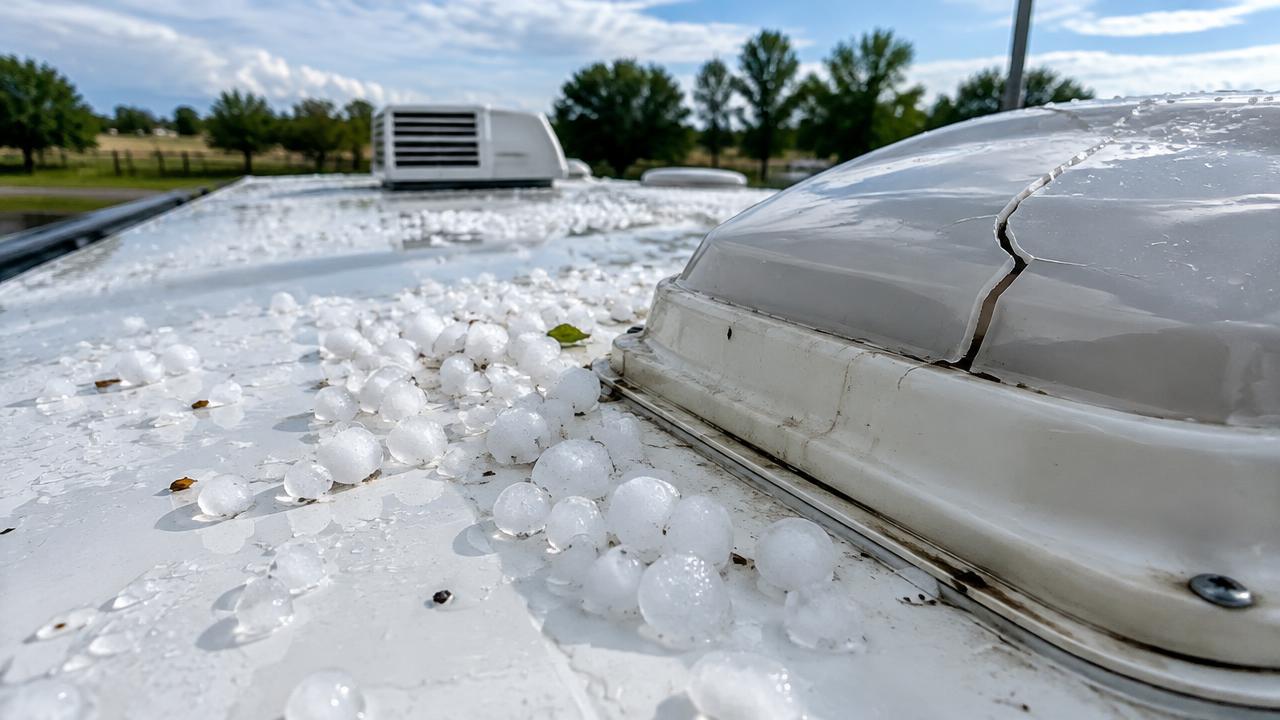
In Dallas–Fort Worth, spring storms can go from a dark sky to hail on the driveway in a matter of minutes. For RV owners, the roof is the part that takes the hit, and it's also the part you see least. A cracked vent cover or a bruised membrane can look fine from the ground and still let water in every time it rains afterward.
That's why the days after a hailstorm matter so much. A quick, methodical check can catch damage while it's still a roof repair, before it becomes a ceiling, wall or floor repair.
Safety first
Only get on the roof if it's rated to walk on, it's completely dry and you're comfortable on a ladder. Hail debris, wet surfaces and a slick roof membrane are a bad combination. If you're unsure, check what you can from a ladder at the edges and from inside, and leave the roof walk to someone with the right equipment.
What to check on the roof
- Roof vent covers: look for cracks, holes or pieces missing. Plastic vent covers baked by Texas sun become brittle and break easily in hail.
- Skylights: check the dome for cracks, crazing or holes, and look at the frame where it meets the roof.
- AC shroud: look for cracks or punctures in the cover. A damaged shroud doesn't always leak, but it exposes the unit.
- Roof membrane: look for punctures, tears, dents or areas where the surface looks bruised or scuffed.
- Sealant: check around every fixture and along every seam for new cracks or areas knocked loose.
- Front and rear caps: fiberglass caps can show cracks or dings, especially along the top edges.
- Solar panels and mounts, antennas and anything else attached to the roof.
Take photos as you go, wide shots and close-ups. Even if nothing looks wrong, photos give you a record of the roof's condition after the storm.
What to check inside
Some damage only shows up from inside, and sometimes not right away. Check once right after the storm and again after the next rain.
- Look up at every vent and skylight from inside. Can you see daylight where you shouldn't?
- Check the ceiling around each roof fixture for new stains, drips or damp spots.
- Open cabinets along outside walls and check the corners.
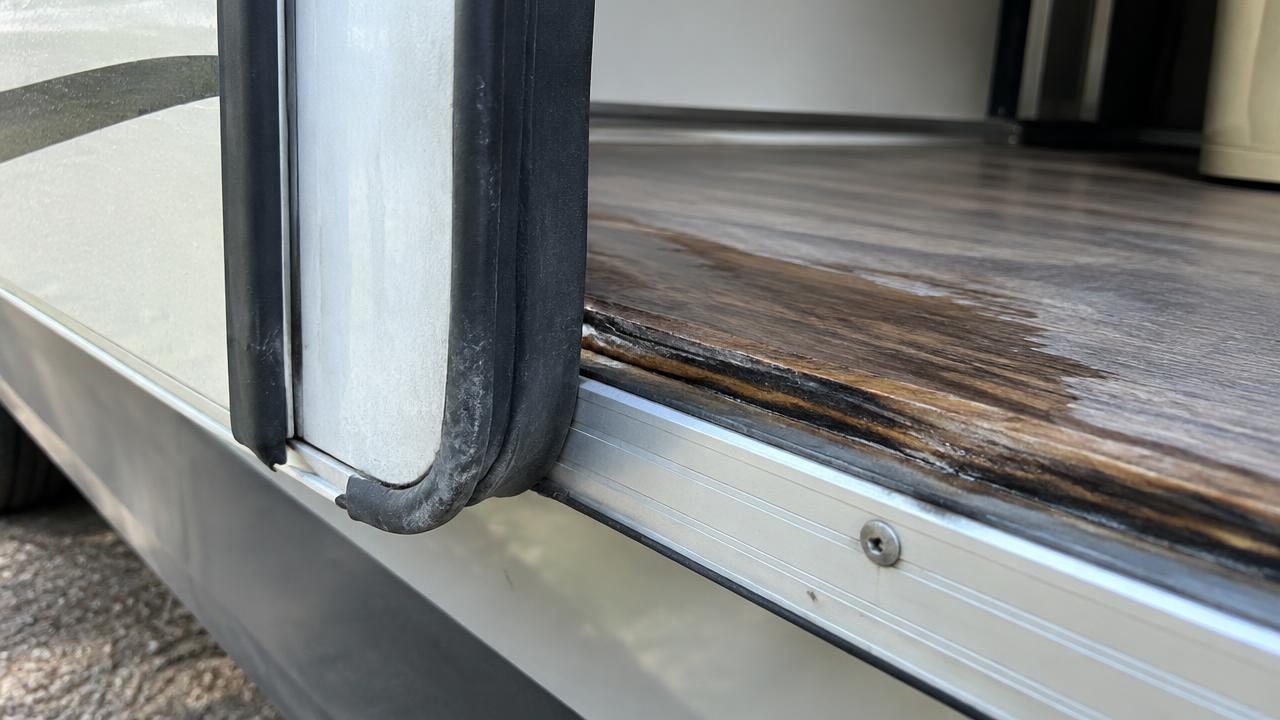
- Press the slide floors near their outer edges and the floor in front of the door.
- Notice any new musty smell over the following days.
Don't forget the slides and sides
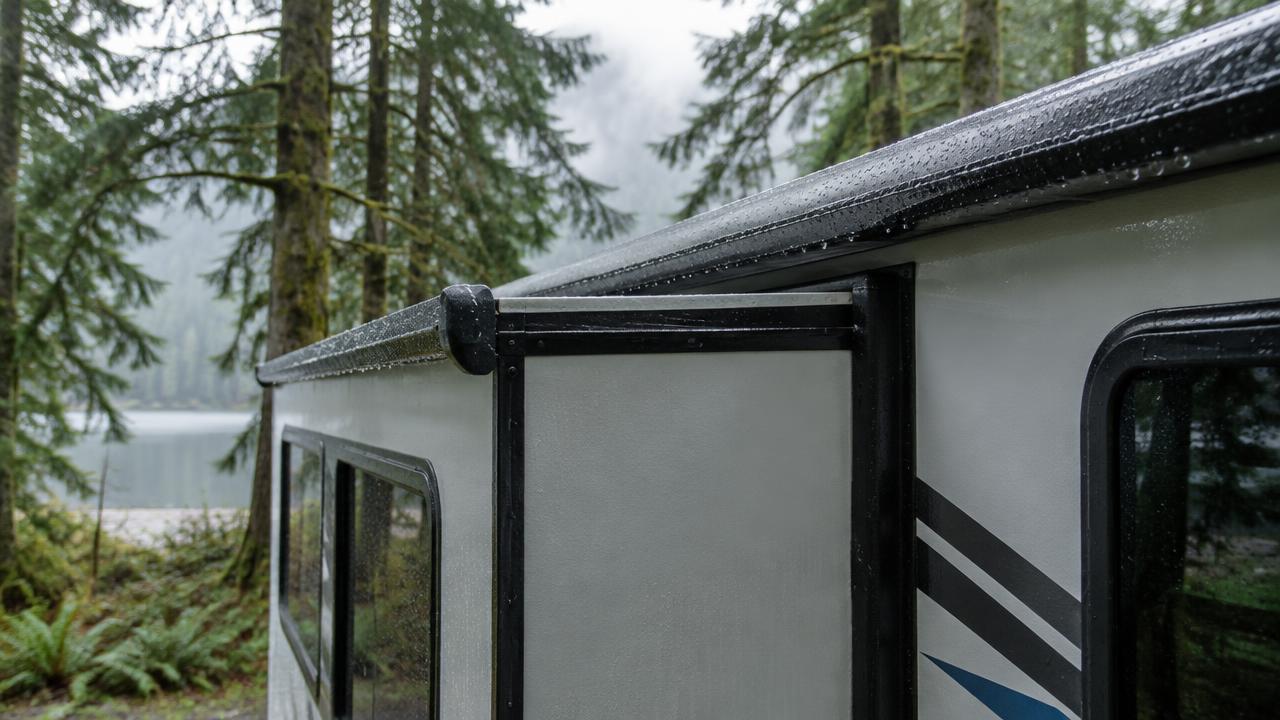
Hail usually comes with wind, and wind drives rain sideways into places that normally stay dry. Look at slide seals and wipers for damage, and check the slide roof if you can see it. Look at windows, marker lights and exterior light covers for cracks. Check slide toppers and awnings for tears.
Insurance: document first, repair second
If you plan to file a claim, document before anything is repaired. Take photos of the damage, the hail itself if it's still on the ground (something next to it for scale helps) and the date. Check your policy and contact your insurer about their process. A written inspection with photos from someone who knows RVs can also be useful.
Our mobile RV diagnostics visits include written findings and photos of what we see, which gives you a clear record of the damage and what it affects.
Temporary protection
If you find a broken vent or skylight and more rain is coming, cover it. A properly secured tarp over the damaged fixture, or a temporary patch, keeps water out until it's repaired. Secure it well so wind doesn't turn it into a sail that damages more of the roof.
Damage that shows up weeks later
Not every hail problem announces itself the day after the storm. A vent cover with a hairline crack might hold until the next heavy rain, or until summer heat widens the crack. Sealant that was knocked loose but not removed can look fine until it lifts on a hot afternoon. And a small puncture in a roof membrane can let water into the roof decking a little at a time, so the first sign is a soft spot or a faint stain a month later.
That's why it pays to keep watching for a few weeks after a storm, even if your first check found nothing. Look up at the ceiling around roof fixtures after each rain, notice any new smell when you open the door and press the roof deck near vents if you're up there for another reason. If anything changes, you'll catch it while the fix is still a roof repair, not a rebuilt ceiling.
If your RV sits in a storage lot, ask whether the facility does post-storm walk-throughs, and if not, plan a visit yourself. RVs in open storage rows take the full force of a storm and often go the longest without anyone looking at them.
Getting ready for the next storm
Hail season in North Texas comes back every year. A few things reduce the risk next time:
- Replace old, brittle vent covers before storm season. Sun-baked plastic breaks much more easily.
- Keep roof sealant in good condition so small impacts don't turn into leaks.
- Consider covered parking or a carport if you can. Even partial cover helps.
- If you get warning and the RV is at home, bring slides in and retract awnings.
- Keep a tarp and tie-downs handy for quick temporary repairs.
A hailstorm doesn't always mean serious damage, but it always means it's worth looking. If you find something, or you'd rather have it checked properly, our roof and leak repair service covers vents, skylights, membranes and sealant. You can request service and we'll come to your RV, wherever it's parked in the DFW area.
Seeing any of this on your RV?
We come to your RV in the Seattle and Dallas–Fort Worth areas, find the source and fix it to last.
Article FAQ
Quick answers
Yes. Hail can crack vent covers, skylights and roof membranes in ways that aren't visible from the ground. A close inspection on the roof, plus checking ceilings inside after the next rain, is the best way to know.
Yes, before any repairs. Photograph the roof, damaged fixtures, any hail on the ground and the date. Then check with your insurer about their claims process.
If you get warning, bring slides in, retract awnings and cover any already-damaged vents or skylights. Long-term, replacing brittle vent covers and using covered parking reduce risk.