
Field notes ·
Buying a Used RV? 8 Water Damage Red Flags to Check Before You Pay
Water damage is the most expensive thing a used RV can hide. Eight red flags to check, and how to look for them, before you buy.
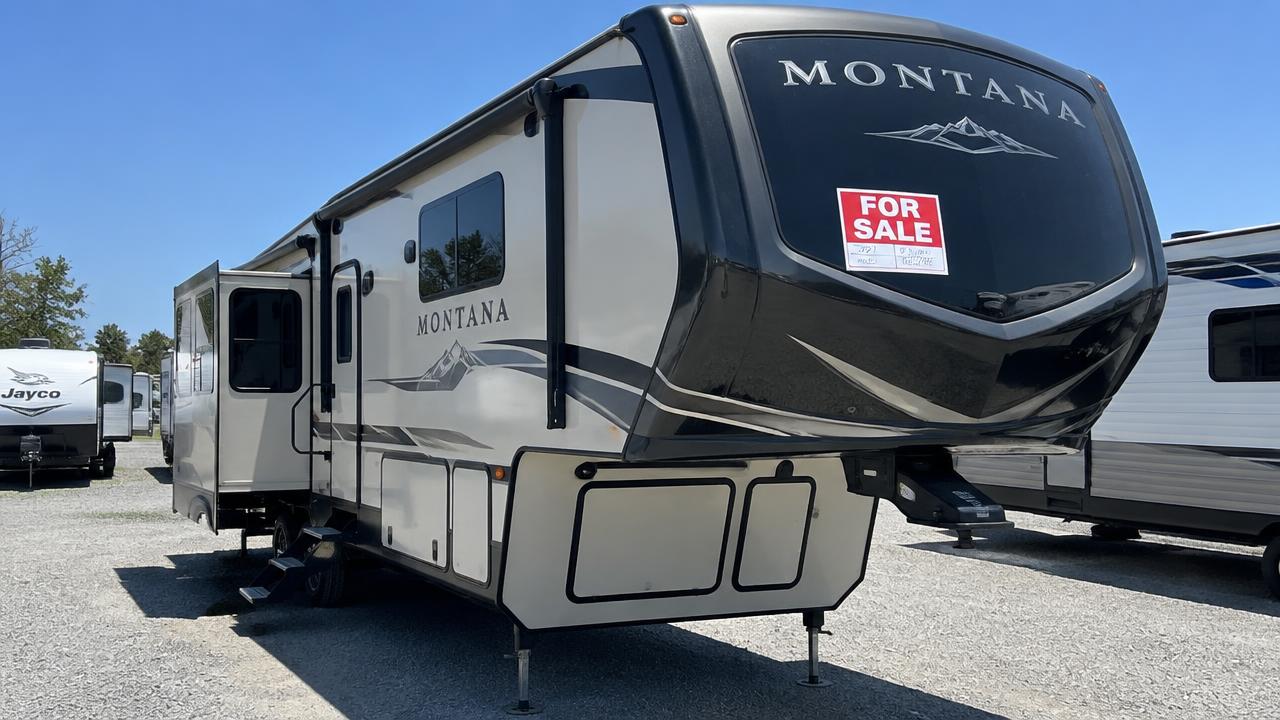
A used RV can be a great value, or it can be a very expensive lesson. The difference often comes down to water. Water damage is the problem most likely to be hidden, the hardest to spot on a quick walk-through and among the most involved to repair once it has reached the structure.
Sellers aren't always hiding anything on purpose. Many owners genuinely don't know a slow leak has been working inside a wall. But fresh paint, new flooring, strong air fresheners and a lot of throw rugs can all cover signs you'd want to see. Here's what to check.
Bring a few simple tools
- A bright flashlight for cabinets, corners and the underside.
- Your nose, and a willingness to open every door and cabinet.
- A moisture meter if you have one. Inexpensive meters can show you which areas hold more moisture than others.
- Time. Don't let anyone rush you through the inspection.
The 8 red flags
- A musty smell or heavy air freshener. When you first step in, notice the air. A damp, earthy smell is a classic sign of water. A very strong fragrance can be covering one. Come back later or open everything up and check again.
- Ceiling stains or new ceiling patches. Look at the ceiling around every vent, skylight and the AC unit. Rings, discoloration or a section that looks newer than the rest deserve questions.
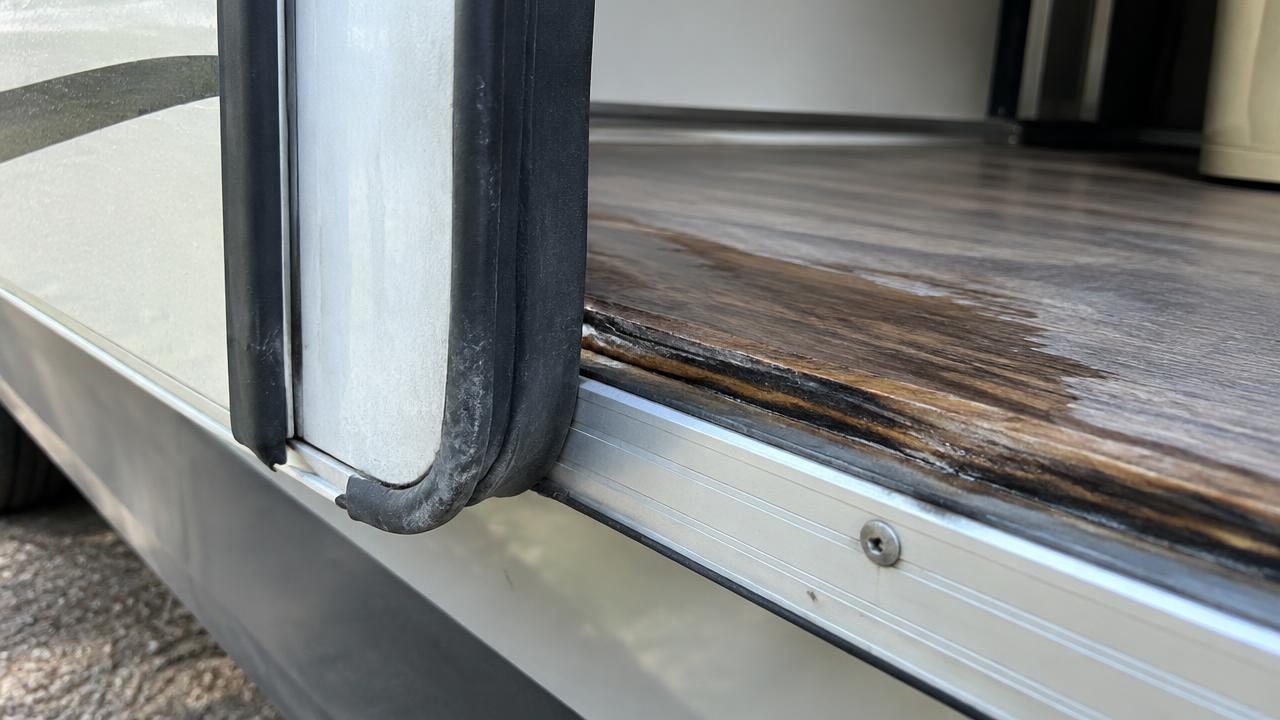
- Soft spots in the floor. Walk the entire floor, including inside every slide-out, in front of the door, around the toilet and shower and in front of the kitchen sink. Any flex, bounce or softness is a concern.
- Wall waves or bubbles outside. Stand at the corners of the RV and look down the sidewalls in low-angle light. Waves, bubbles or ripples in the fiberglass indicate delamination, which means water has been inside the wall.
- Stains or swelling in cabinets. Open every cabinet, especially upper cabinets on outside walls and under sinks. Look at the back corners and bases for staining, swelling or soft wood.
- Wrinkled wallpaper or soft wall panels. Press gently on interior walls around windows and in corners. Panels that feel soft, bow or have wrinkled or bubbled wallpaper are a sign of moisture behind them.
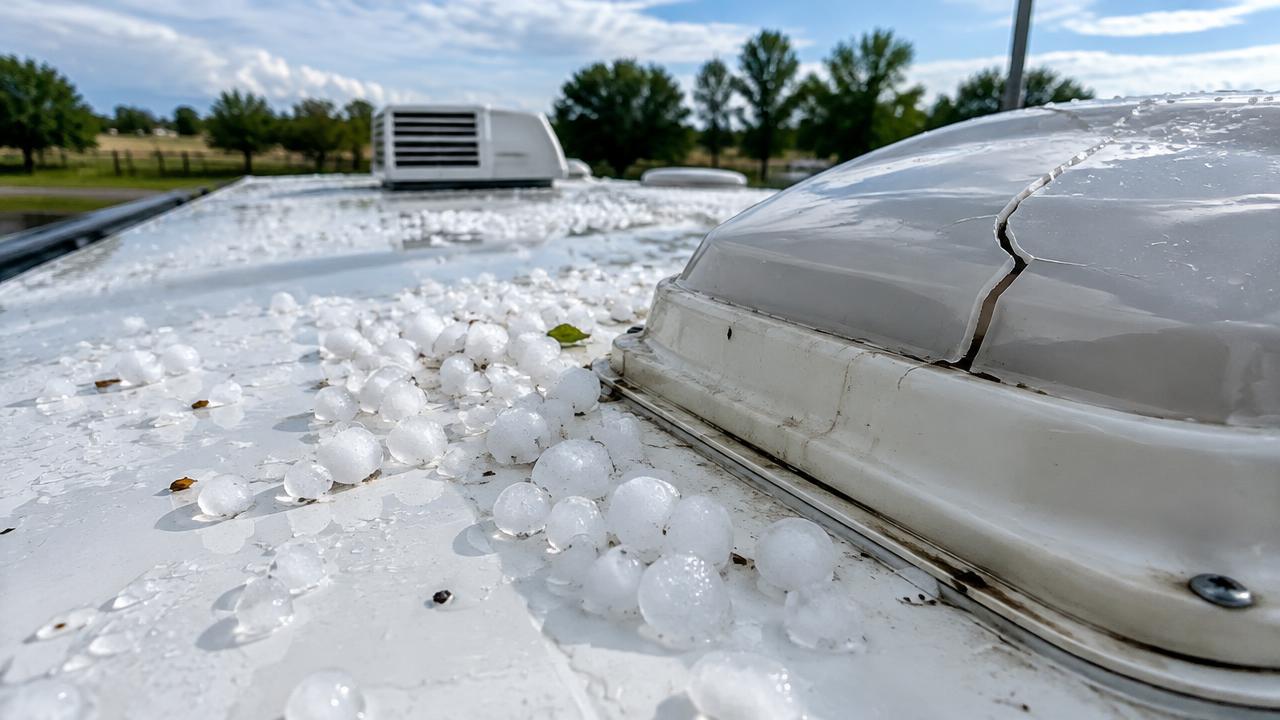
- Poor roof sealant. If it's safe to get on the roof or look from a ladder, check sealant around fixtures and seams. Cracked, lifting or heavily layered sealant suggests either neglect or repeated attempts to stop leaks.
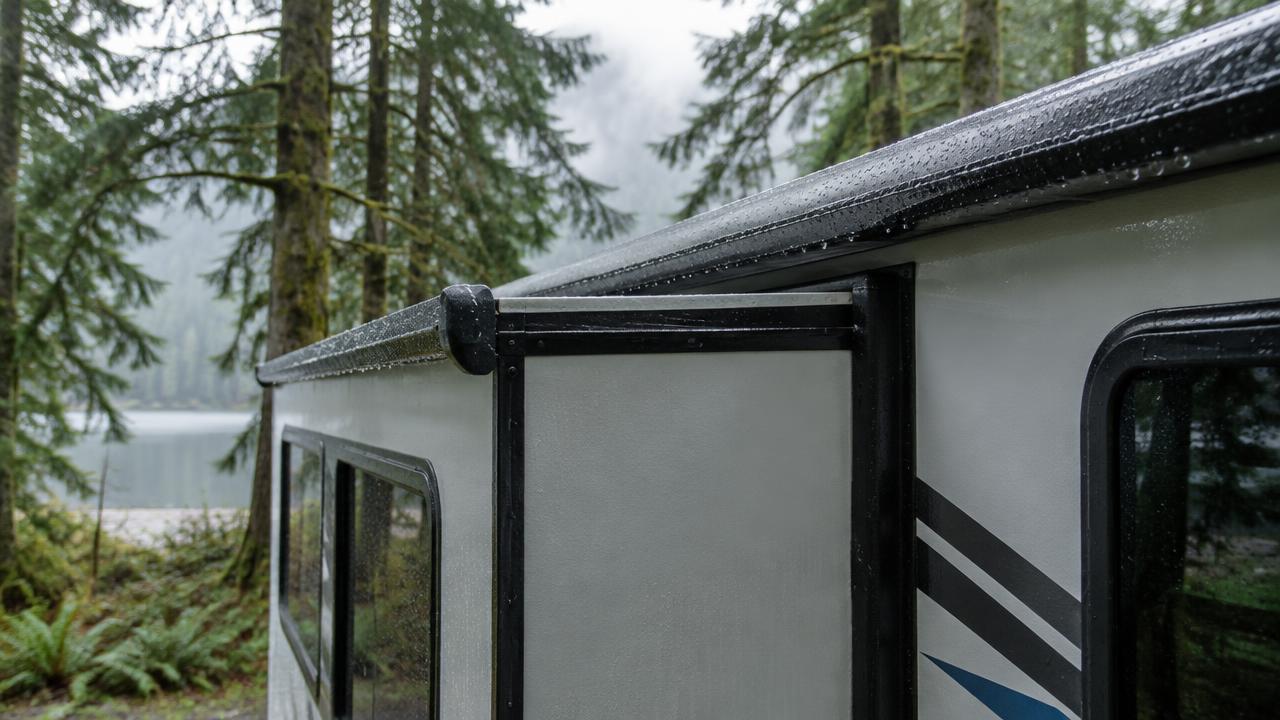
- Slide problems. Run every slide in and out. Look at seals and wipers, check whether the slide moves straight and step along the slide floor edges. Slides are one of the most common places for hidden damage.
Where hidden damage likes to hide
Some areas of an RV are more likely to hide water damage than others, simply because they're out of sight. Give these extra attention on any used RV you're considering.
- Behind and under the bed, where wall panels meet the floor along the front cap.
- Inside wardrobes and closets on outside walls, especially in the back corners.
- Under the kitchen and bathroom sinks, around the water heater access and behind the toilet.
- Around the entry door, where wet shoes and worn door seals let water reach the subfloor.
- In the corners of every slide-out, at floor level, where seals meet the slide box.
- Around the front cap and rear cap seams, from inside and out.
Move cushions, lift mattresses and pull out drawers where you can. A seller who's comfortable with you looking everywhere is usually a good sign.
Is delamination a deal breaker?
Not automatically. Delamination tells you water got into the wall at some point. What matters is how big the area is, whether the water source has been fixed and whether the materials behind the skin are still sound. A small, dry, stable area is very different from a wall that's soft and still taking water. It's a reason to look closer and factor repair into the price, not necessarily to walk away.
Also pay attention to the overall pattern. One small, old stain near a vent with solid surroundings tells a different story than soft spots in several rooms, fresh patches in the ceiling and new trim along the walls. Several signs together usually point to water that has moved through the RV over time, and that deserves a much closer look before any money changes hands.
Questions to ask the seller
- Has the RV ever had a leak? Where, and how was it repaired?
- When was the roof last resealed, and by whom?
- Where has it been stored, covered or uncovered?
- Has any flooring, wall paneling or ceiling been replaced? Why?
- Do you have records or photos of past repairs?
Honest answers with records are a good sign. Vague answers about recent flooring or a fresh ceiling panel are worth digging into.
Get an independent inspection
Even a careful buyer can miss water damage that's inside a wall or under a floor. An independent inspection before you pay is one of the best investments you can make on a used RV. Our mobile RV diagnostics visit includes moisture readings across floors, walls and ceilings, a check of the roof, seals and slides, and written findings with photos, so you know what you're buying.
If an inspection does turn up damage, that doesn't have to end the deal. It gives you facts to negotiate with and a clear picture of what water damage restoration would involve. If you're looking at an RV in the Seattle or Dallas–Fort Worth area, request service and we'll meet you there.
Seeing any of this on your RV?
We come to your RV in the Seattle and Dallas–Fort Worth areas, find the source and fix it to last.
Article FAQ
Quick answers
A bright flashlight and your nose go a long way. A moisture meter helps compare readings across floors, walls and ceilings to find areas holding more moisture than they should.
Not always. It shows water got into the wall. What matters is the size of the area, whether the source was fixed and whether the backing is still sound. Use it to look closer and negotiate.
Yes, especially for water damage. Hidden damage in walls and floors is easy to miss, and an independent inspection with moisture readings and written findings gives you facts before you pay.