
Field notes ·
Why RV Slide-Out Floors Rot (and 5 Warning Signs Owners Miss)
Slide floors take more water than any other floor in your RV, and most of it goes in where you can't see. Here's why, and what to look for early.
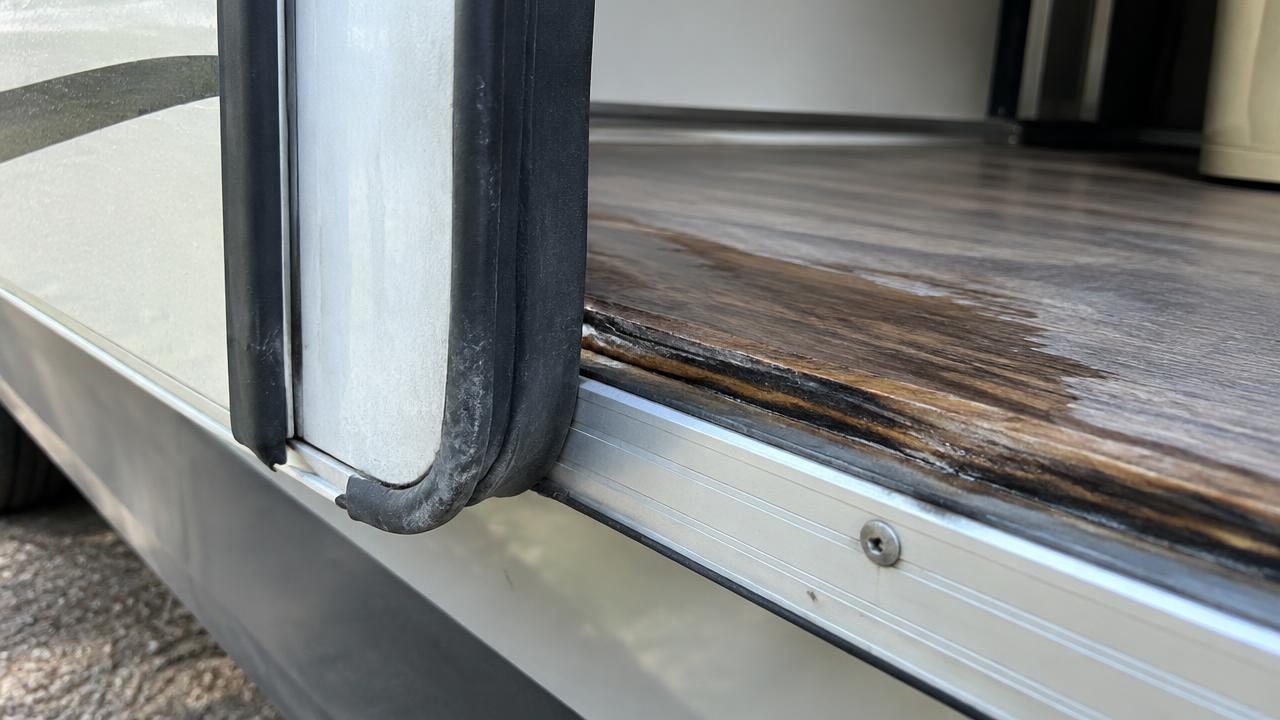
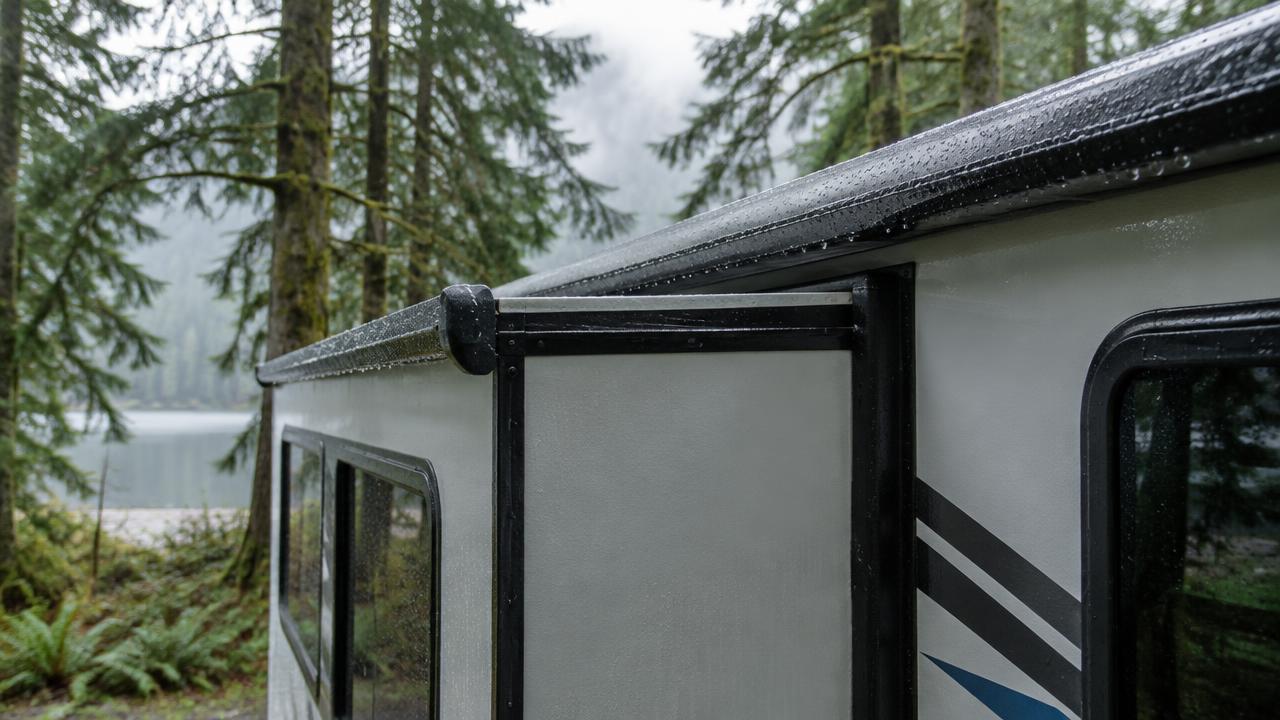
Of all the floors in an RV, the slide-out floor has the hardest job. It moves. It carries furniture, people and sometimes appliances. And its edges spend their entire life pressed against rubber seals that are supposed to keep water out, but slowly wear, harden and tear with every season.
When slide floors fail, it's almost always from water. And because that water usually enters along the edges and underneath, the damage is well underway before most owners notice anything.
Why slide floors are so vulnerable
A few things make slide floors different from the rest of the RV floor:
- Exposed edges: the front edge of the slide floor sits right at the seal line, where water collects when it rains.
- Constant movement: every time the slide goes in or out, seals and wipers rub and flex, and they wear faster than fixed seals.
- Underside exposure: the bottom of the slide box is outside the RV, exposed to road spray, rain splash and humidity.
- Water from above: if the slide roof or the RV wall above the slide leaks, water runs down the slide walls and pools at the floor.
- Weight: slide floors often carry sofas, dinettes and recliners, so a weakened floor sags quickly.
How the damage usually starts
Most slide floor rot follows a predictable path. A seal or wiper wears, flattens or tears. Rain gets past it, usually at the bottom corners of the slide. Water soaks into the edge of the floor and wicks inward. The floor covering on top hides it. Months later, someone steps near the slide edge and feels it give.
Sometimes the source is higher up: a slide roof seam, a window in the slide wall or a roof leak above that sends water down inside the wall. Either way, the floor is where it ends up.
The 5 warning signs owners miss
- A slight give near the front lip. Before a floor feels truly soft, it often feels just slightly less firm near the edge. Step along the front edge of each slide floor regularly and pay attention to any change.
- Floor covering changes. Vinyl that's started to lift or ripple near the edge, carpet that looks darker or stained along the outer wall, or seams that are opening up all point to moisture underneath.
- A musty smell when you open the slide. If you notice a damp smell every time you run the slide out, especially after rain, water is likely getting into the slide box.
- Fasteners or trim pulling loose. Screws that won't hold, trim strips lifting along the slide floor or a front fascia that seems loose can all mean the wood behind them is breaking down.
- Changes underneath. Look under the slide from outside with a flashlight. Sagging, stained or delaminating material on the underside, or a bottom that looks wavy, is worth a closer look.
What about crooked slides?
A slide that moves crooked or racks to one side isn't always a floor problem, but the two are often connected. A slide running out of square puts uneven pressure on seals, which can open gaps that let water in. And a floor that's weakened can change how the slide sits on its rollers or rails. If your slide has started moving unevenly, have both the mechanism and the floor looked at. Our slide-out system repair covers the mechanism side.
A quick slide floor check you can do today
You don't need tools to get a good sense of where your slide floors stand. Run each slide all the way out on a level site. Take off your shoes and walk slowly along the front edge of the slide floor, then along the outer wall, paying attention to any spot that feels different from the rest. Kneel and press with your palm near the corners, where water tends to collect first.
Next, look at the seals from outside. Run a hand along the bottom wiper: it should feel flexible and sit flat against the slide, with no gaps or tears. Look at the corners, where seals often split. Then shine a flashlight under the slide box and look for staining, sagging or fasteners that have backed out. Finally, check the floor covering inside for lifting or discoloration along the outer edge.
If everything feels solid and the seals look healthy, note the date and repeat the check next season. If anything feels off, take photos and have it looked at before the next wet stretch.
What you can do to prevent it
- Inspect slide seals and wipers each season. Replace torn, flattened or hardened sections.
- Treat rubber seals with a seal conditioner made for RVs so they stay flexible.
- Keep the slide roof clean and check its seams and sealant.
- If the RV is stored, keep slides in, and if they must stay out, use slide toppers.
- Level the RV properly before running slides so they move straight.
- Act quickly on any leak above or around the slide.
When it's time for a replacement
If the floor already has soft areas, a new layer on top won't fix it. The damaged material underneath keeps breaking down, and the added layer can hide the problem while the rot spreads to the slide box structure. The lasting fix is removing the damaged floor, checking the box, building it back with sound material and resealing the slide.
That's the work we specialize in. Our slide-out floor replacement service handles the whole job at your RV, and we always address the water source so the new floor stays dry. If you've noticed any of the signs above, you can request service and we'll take a look.
Seeing any of this on your RV?
We come to your RV in the Seattle and Dallas–Fort Worth areas, find the source and fix it to last.
Article FAQ
Quick answers
It depends far more on how well water is kept out than on age. A slide with well-maintained seals can keep a sound floor for many years; one with a worn seal can start rotting within a few wet seasons.
Not for a rotted floor. The damaged wood underneath keeps breaking down and can spread to the slide box framing. The damaged material has to come out and the water source has to be fixed.
Not always, but they're often related. A crooked slide can open gaps at the seals, and a weakened floor can affect how the slide sits. It's worth checking both.